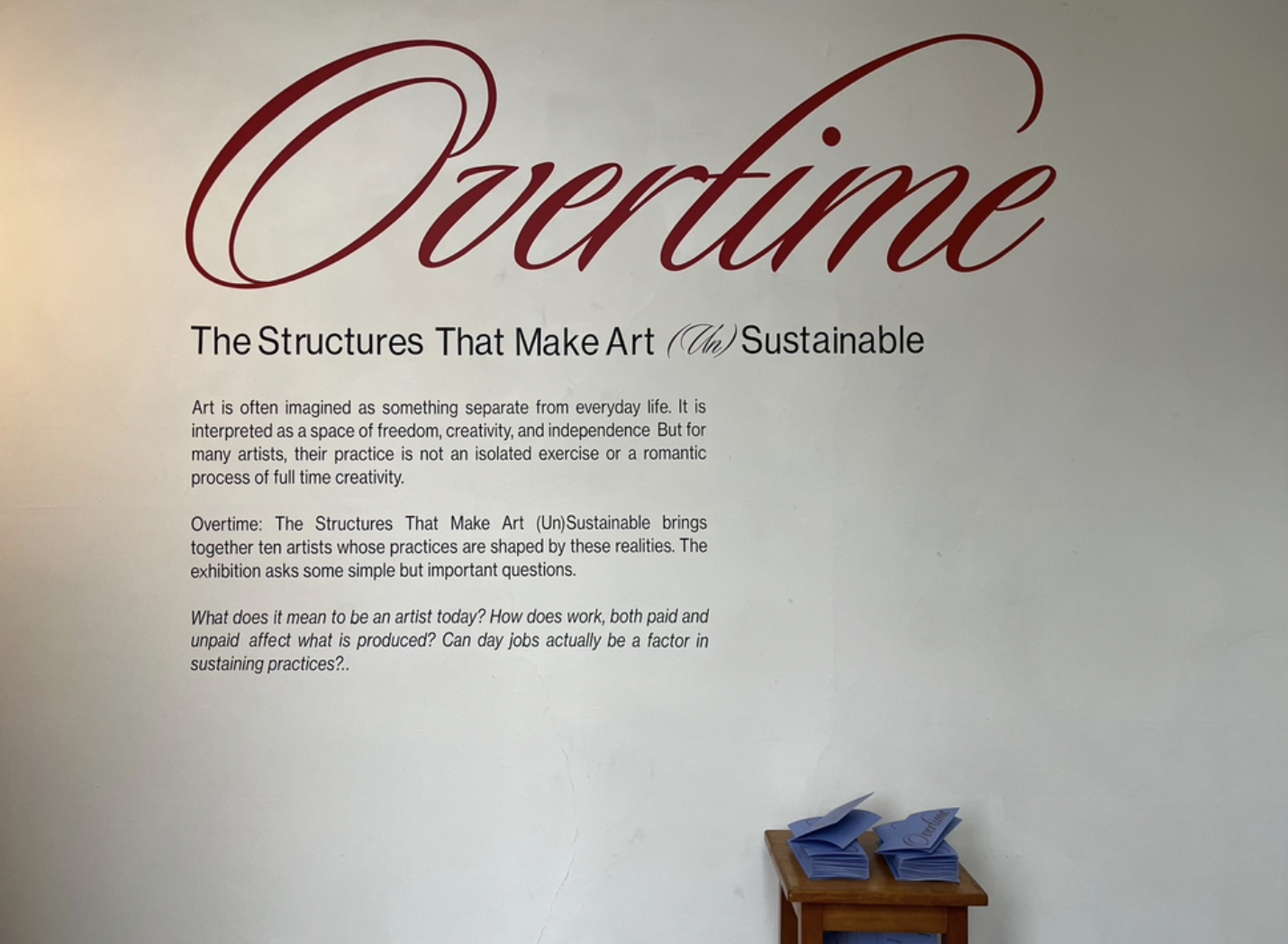
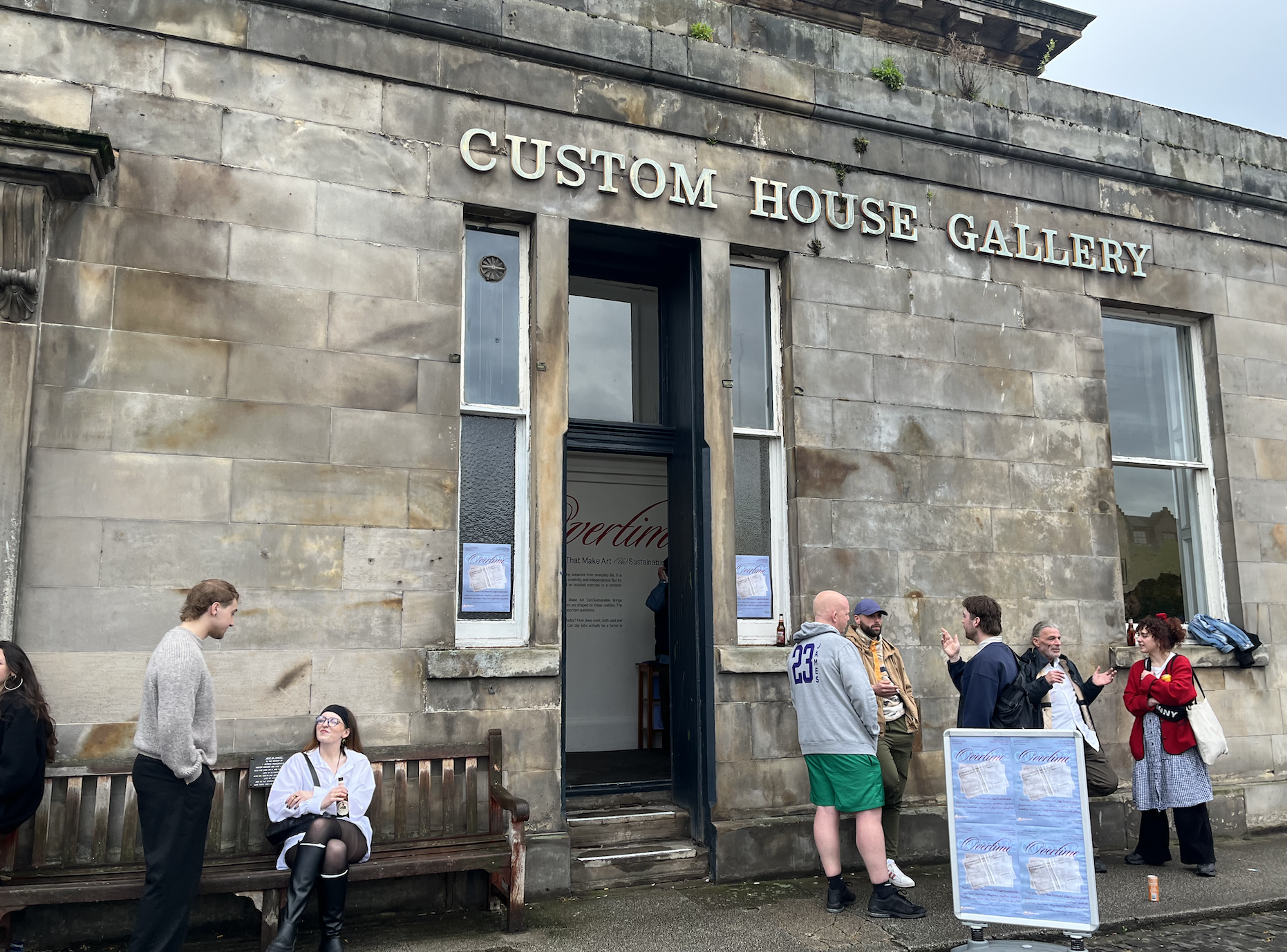
Overtime:
The Structures That Make Art (Un)Sustainable
Art is often imagined as something separate from everyday life. It is interpreted as a space of freedom, creativity, and independence. But for many artists, their practice is not an isolated exercise or a romantic process of full time creativity.
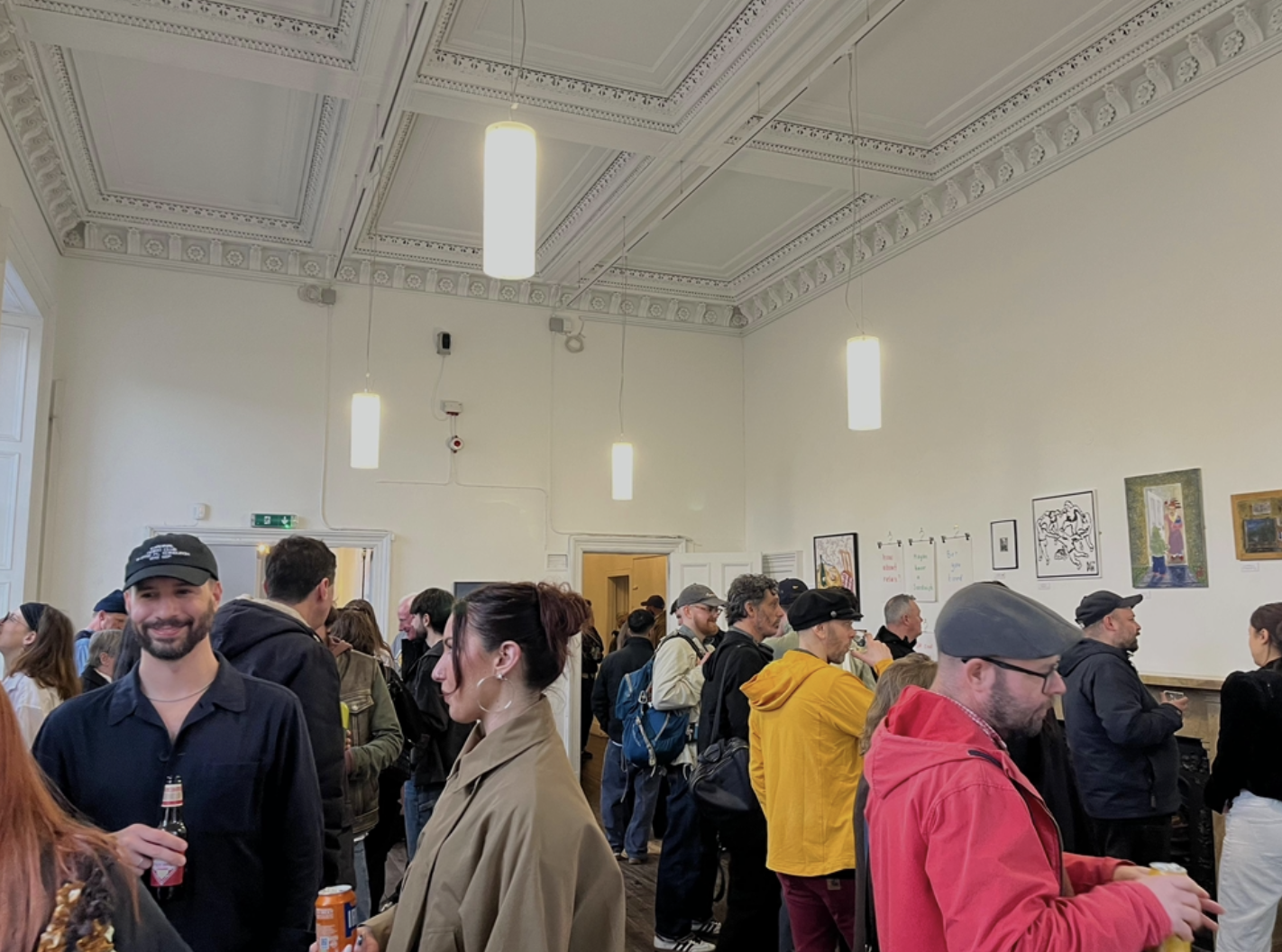
This exhibition examines the often overlooked conditions that shape how art is made. Artistic success is still commonly imagined as the point at which an artist can stop working and focus fully on their practice. In reality, most artists continue to work jobs, manage financial pressure, and balance other responsibilities alongside making work.
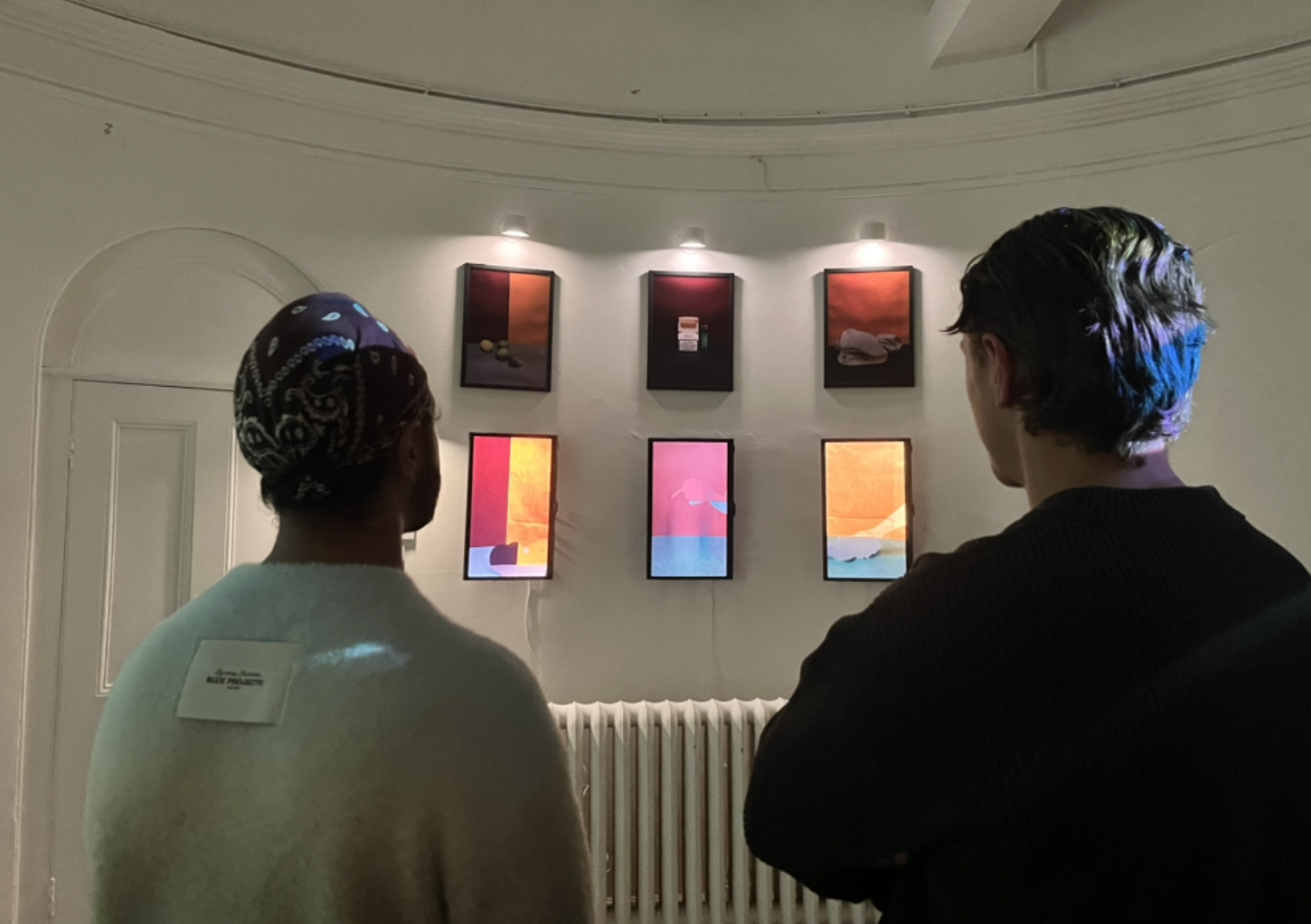
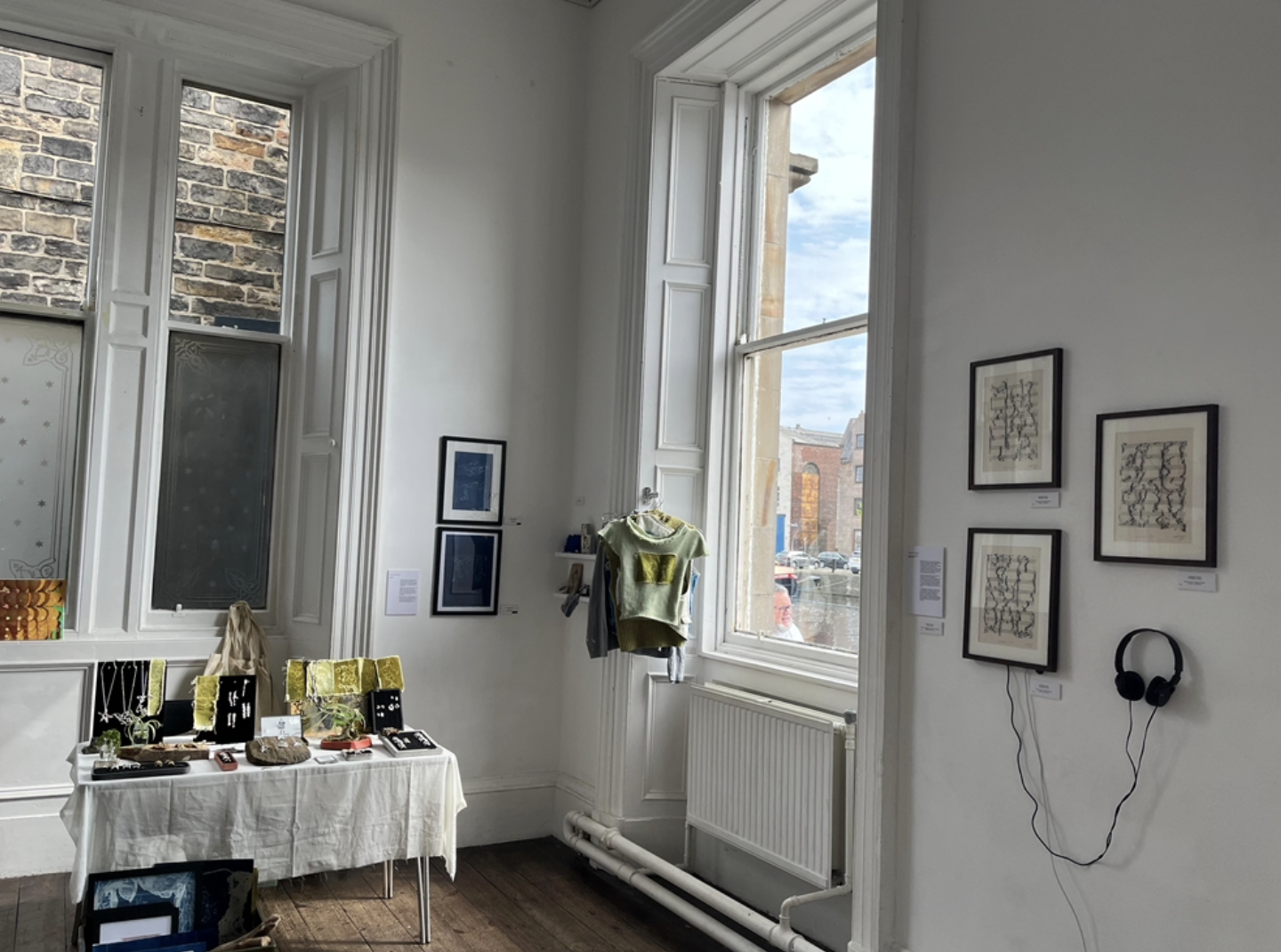
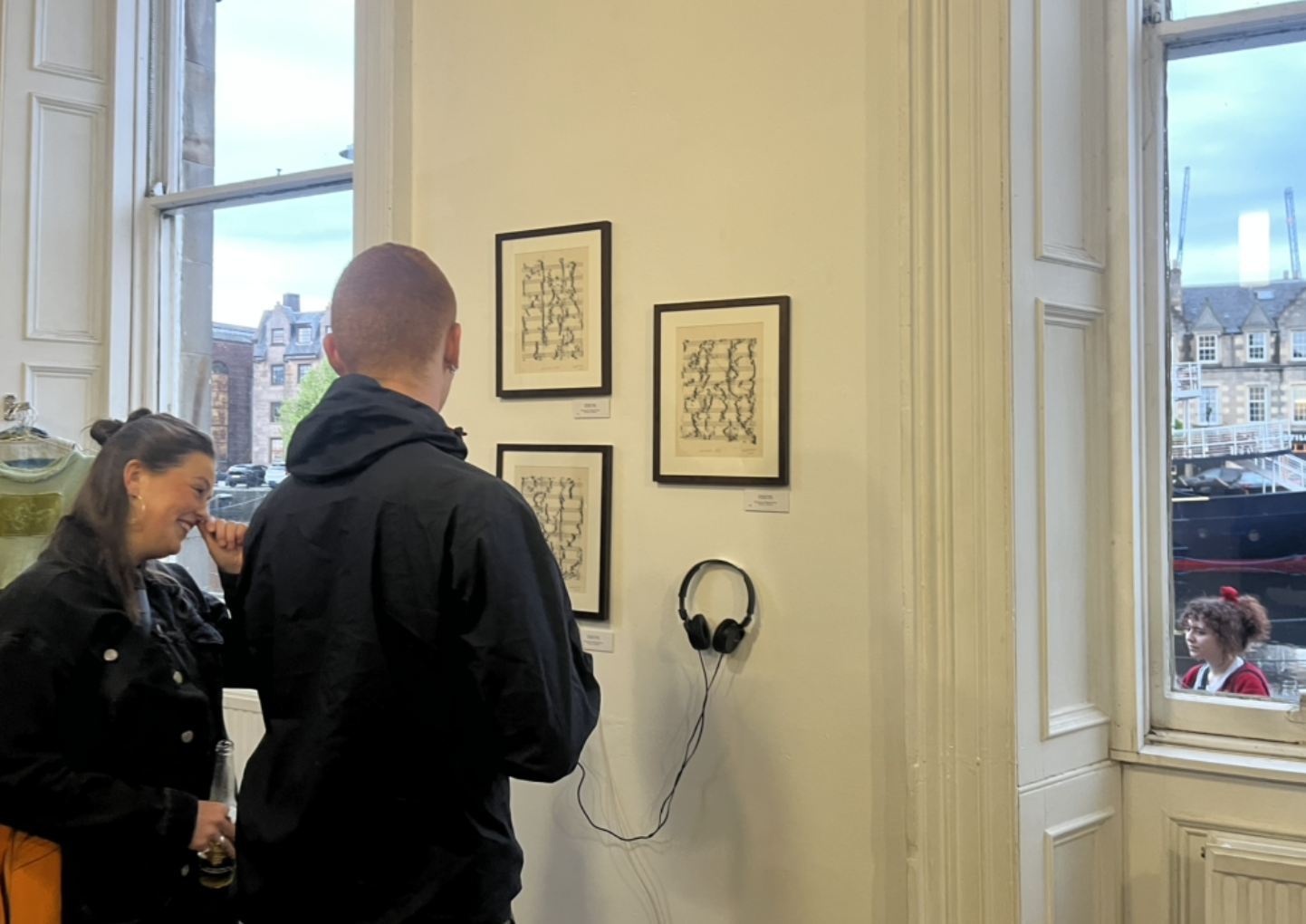
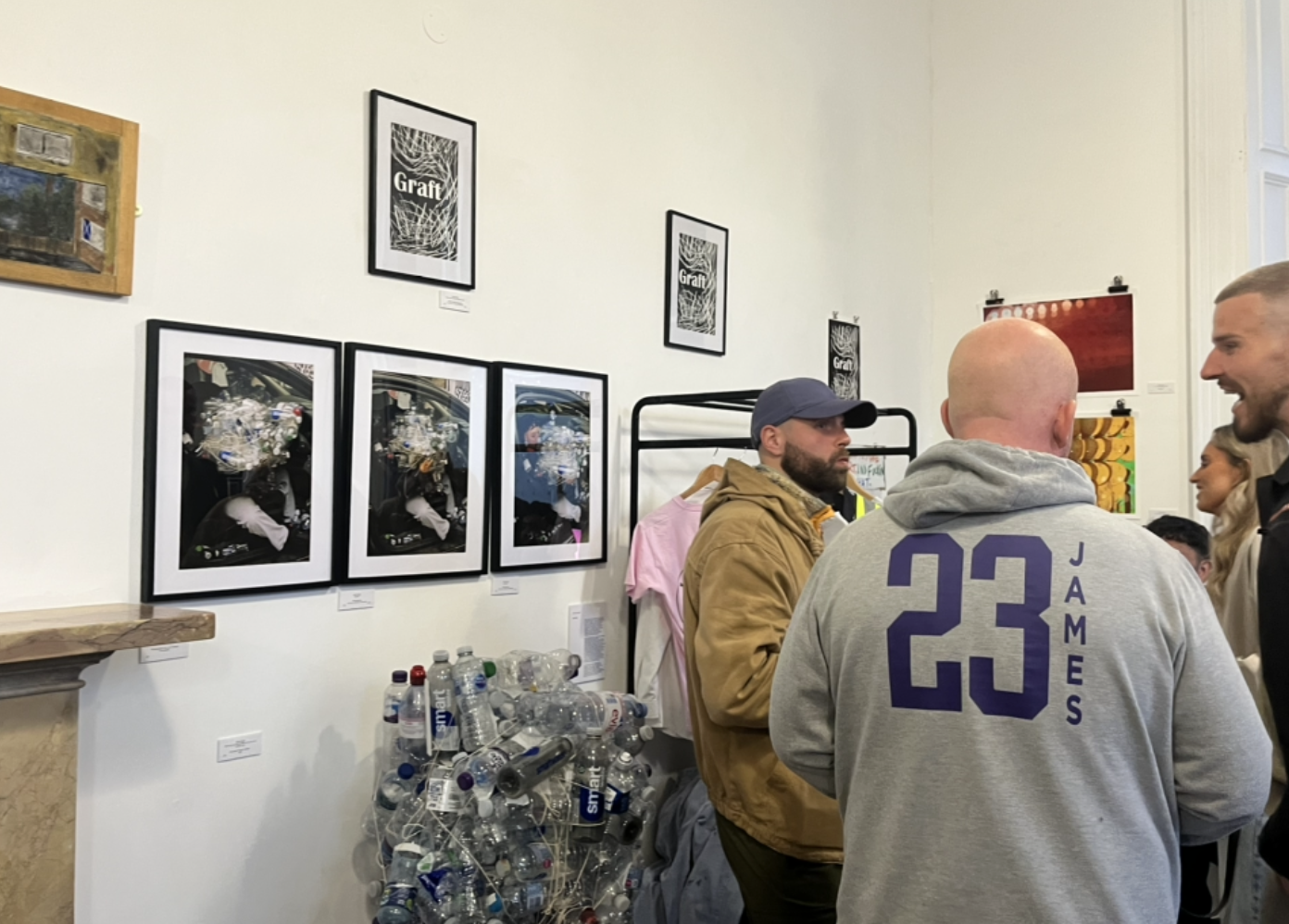
Overtime: the structures that make art (un)sustainable brings together ten artists whose practices are shaped by these realities. The exhibition asks some simple but important questions. What does it mean to be an artist today? How does work, both paid and unpaid, affect what is produced? Can day jobs actually be a factor in sustaining practices?
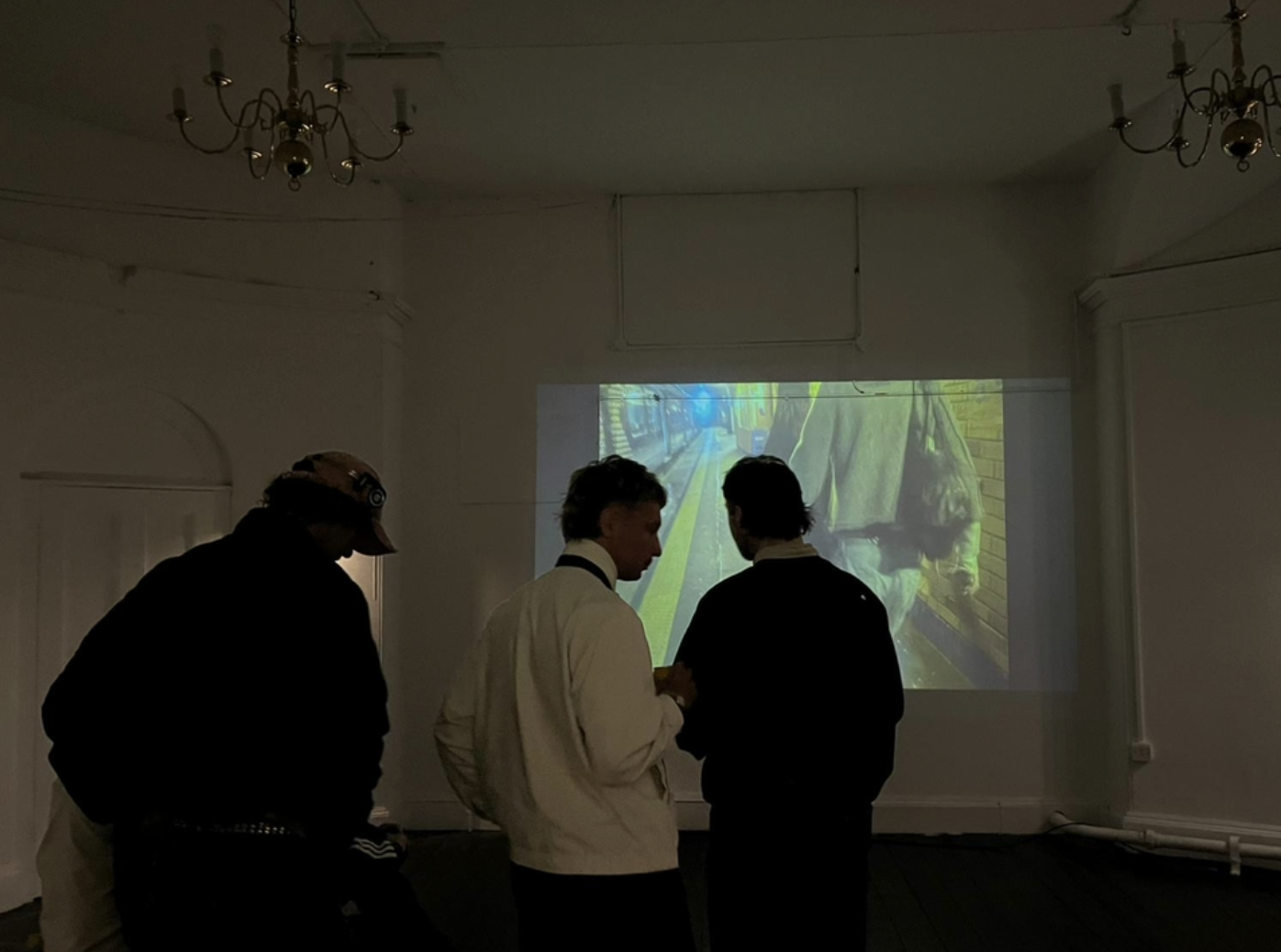
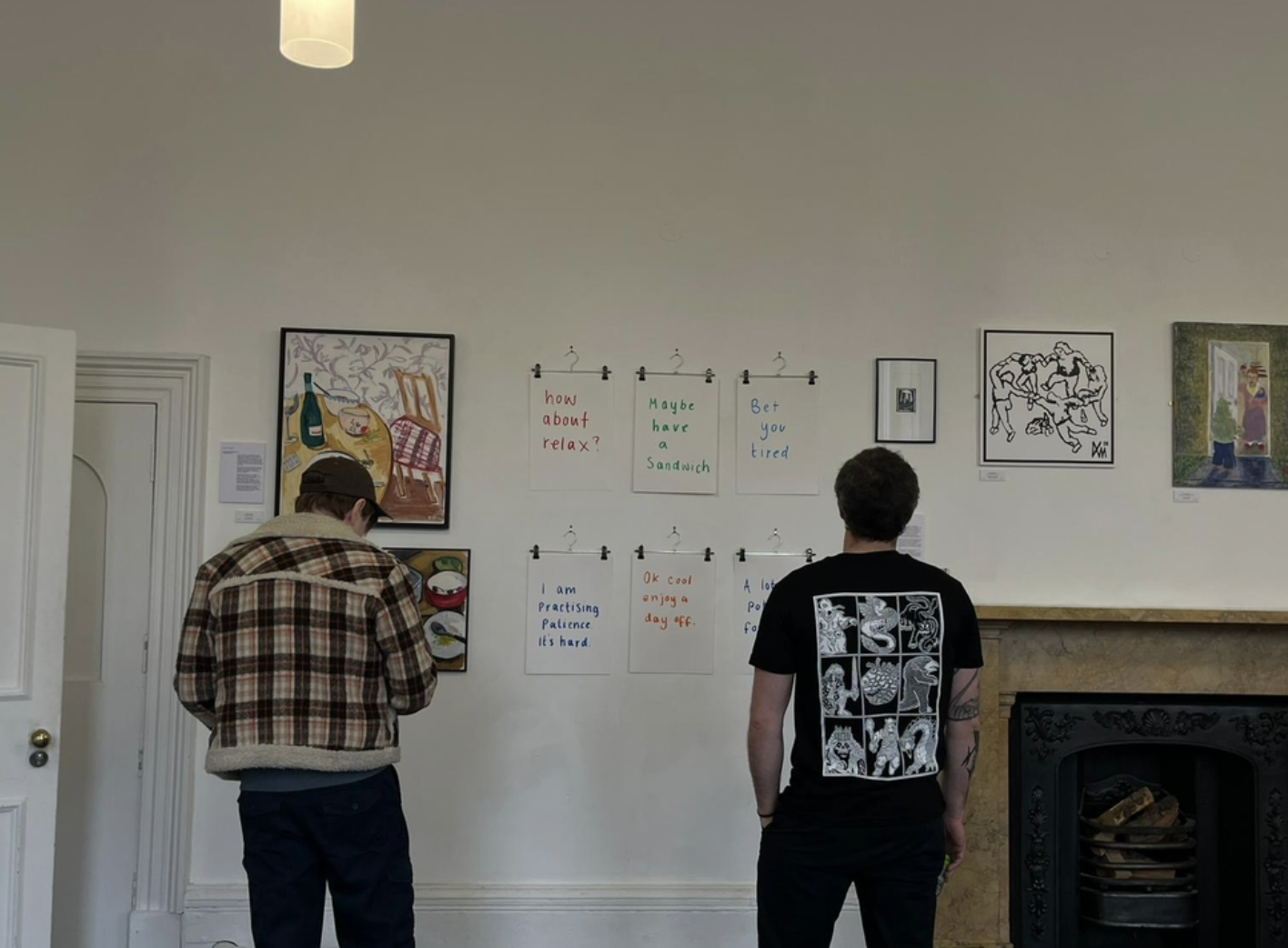
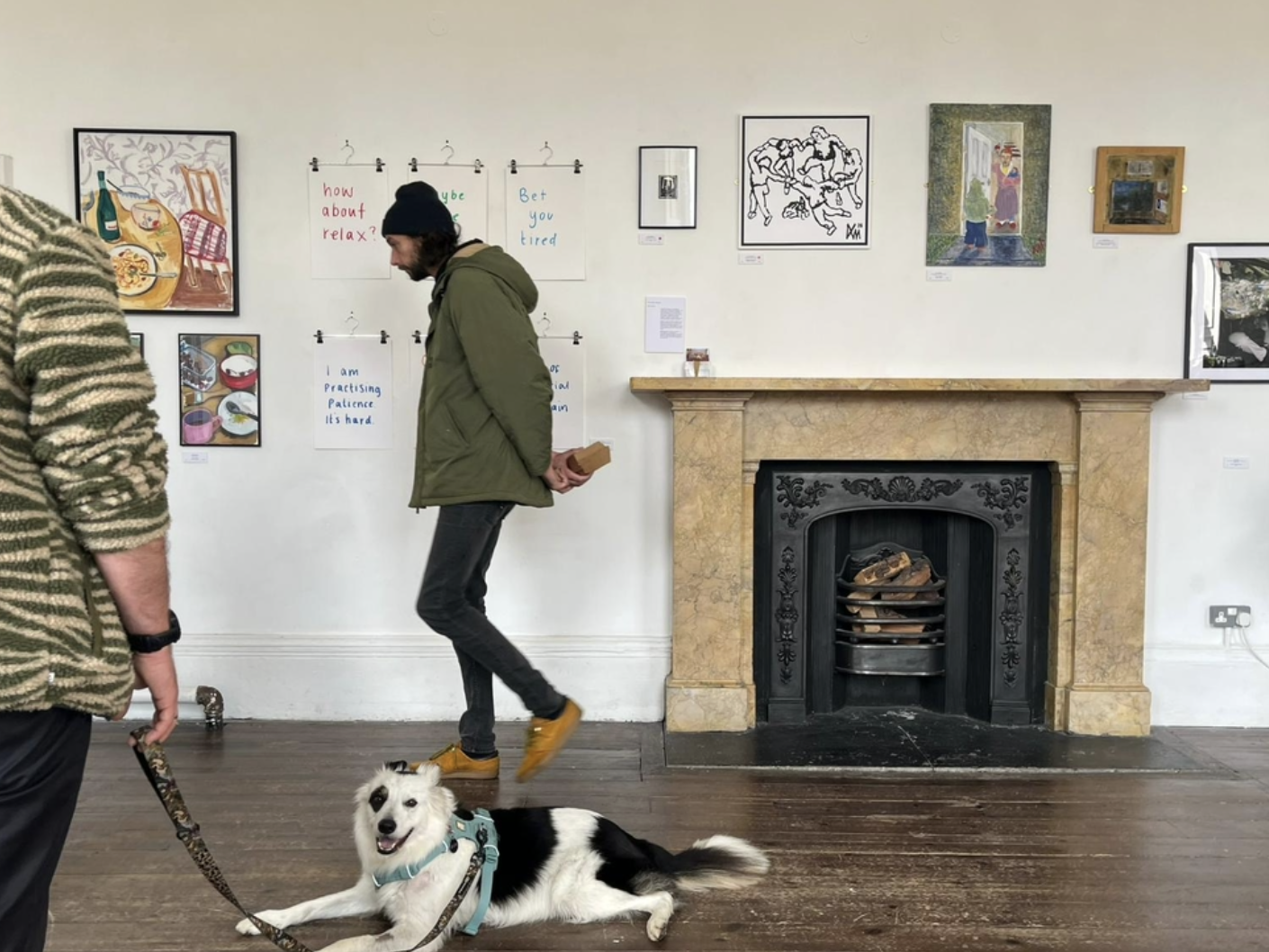
Some of the works in this exhibition look directly at labour. Though for others, these pressures are less visible but still present, shaping the scale, materials, or new developed ways of working.
By focusing on these realities, the exhibition aims to move away from the idea of the artist as someone working in isolation, outside of everyday pressures. Instead, it presents artistic practice as something that is closely tied to economic structures, and often made sustainable only through compromise.
Overtime does not separate art from life. Instead, it brings them together and highlights the effort, compromise, and persistence involved in continuing to make work under pressure.